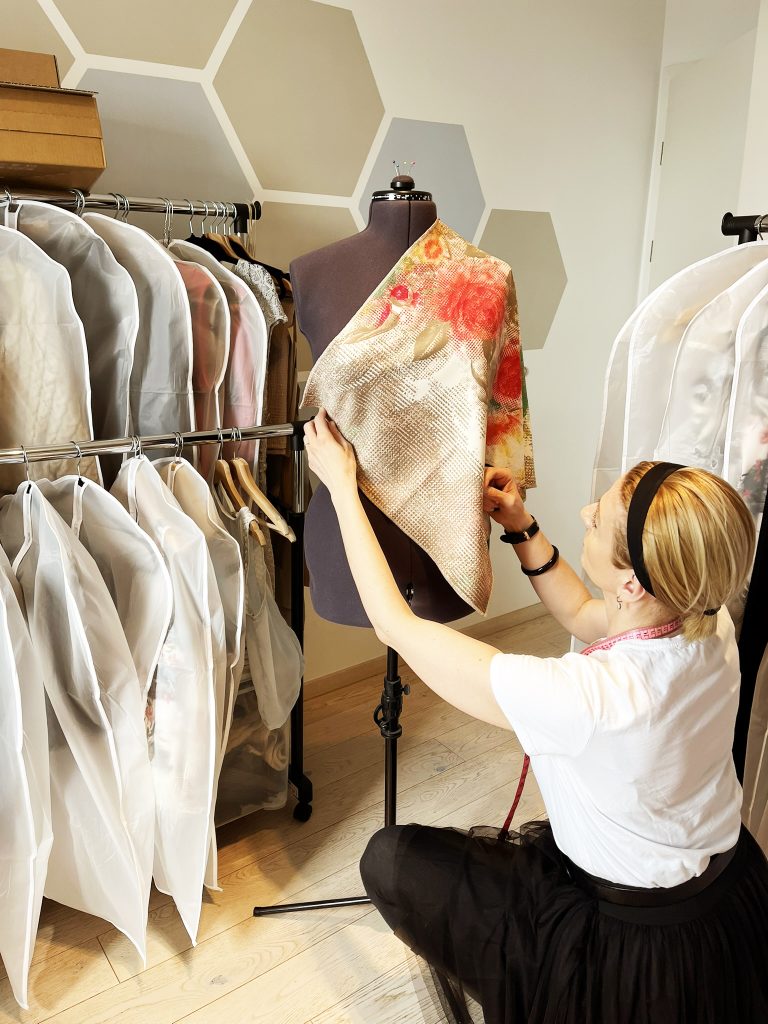
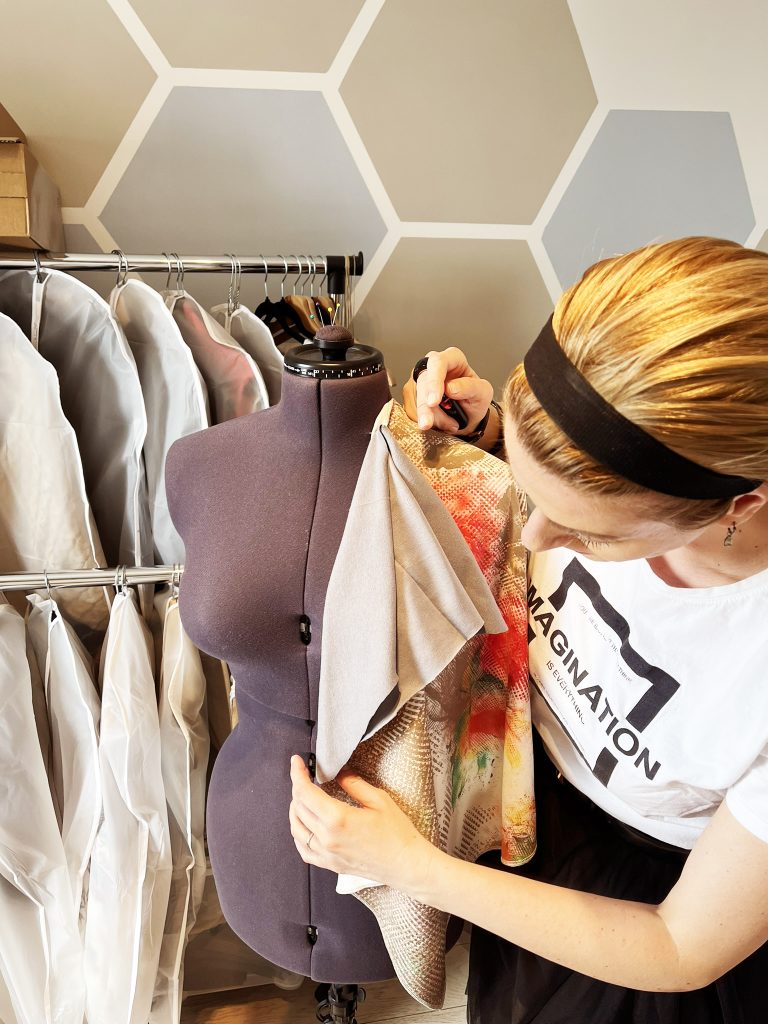
There is nothing more exciting than being able to express our personality or mood by choosing the right outfit and having as many options to choose from. As a fashion designer I feel beyond privileged to be able to imagine, design, produce and present different fashion looks, and style and clothing ideas. Designing unique clothing items makes me happy, and if my clothing makes the ones who are wearing them feel confident, beautiful, and happy as well, then my mission is complete. But even though fashion is my obsession and love, I am not able to oversee the negative impact fashion has been leaving behind for quite some time now…
Before the 19th century, fashion was a laborious, time-consuming process that required sourcing raw materials and weaving the natural fibers into fabric, and then fashioning the fabric into functional garments. All of that was changed by the Industrial Revolution introducing new technology like the sewing machine and textile machines. As a result, clothes became cheaper and easier to make and buy. Further on, based on consumers’ desire for new clothing to wear and fashion companies to fulfill consumers’ demand, for the past 30 years there has been a rise of fashion brands turned to providing affordable prices and a wide range of clothing that reflects the latest trends.
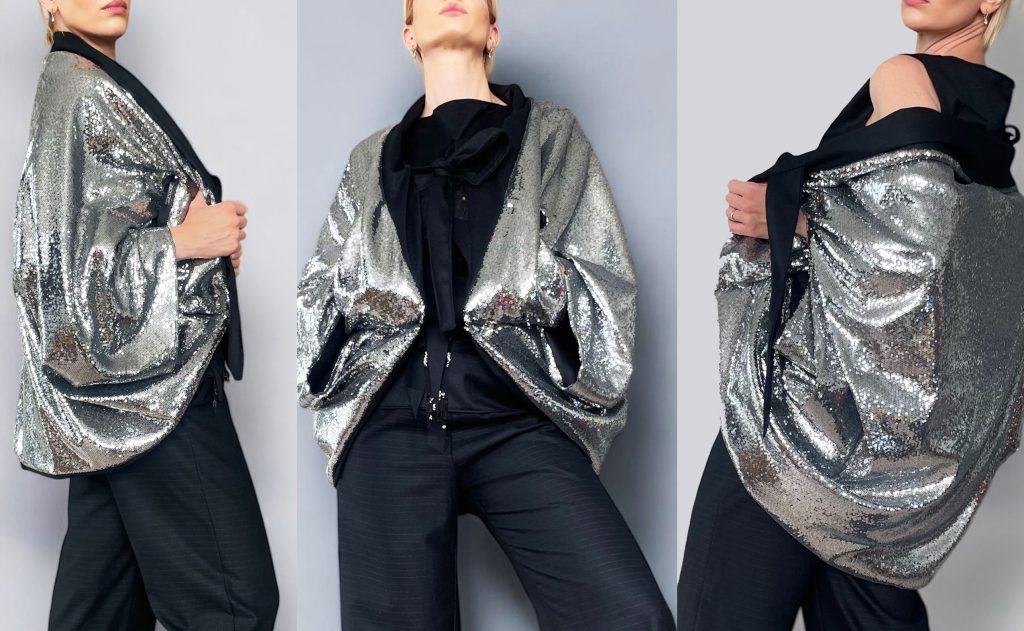
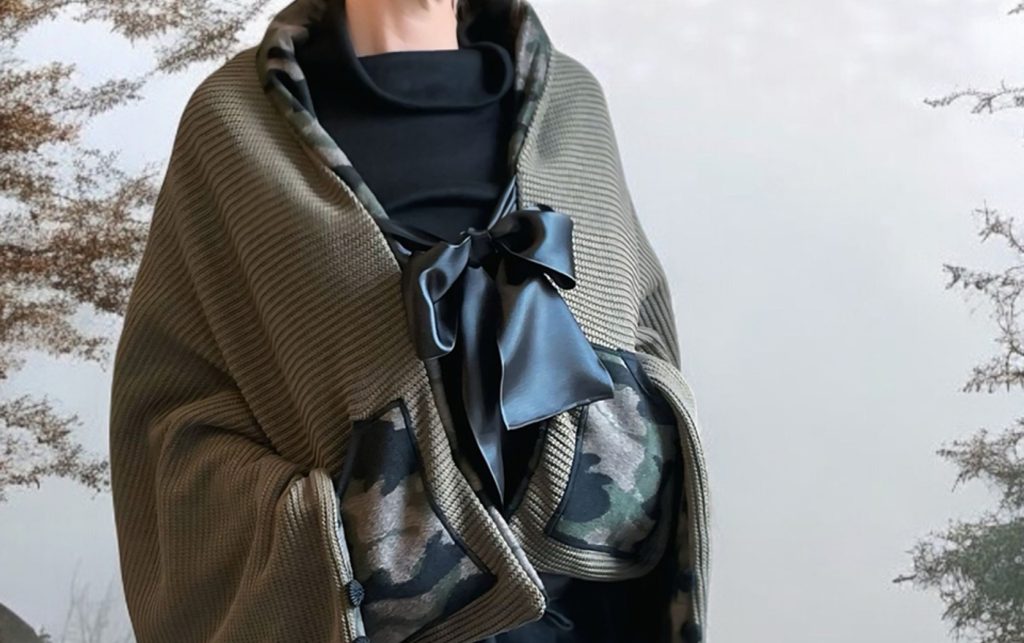
Choose one-of-a-kind clothing that will make you shine & feel unique
And that brings us to term „fast fashion“- which is the business model of quickly creating and selling clothing and footwear at affordable prices by replicating the latest fashion trends and high fashion designs using cheap and fast mass production techniques.
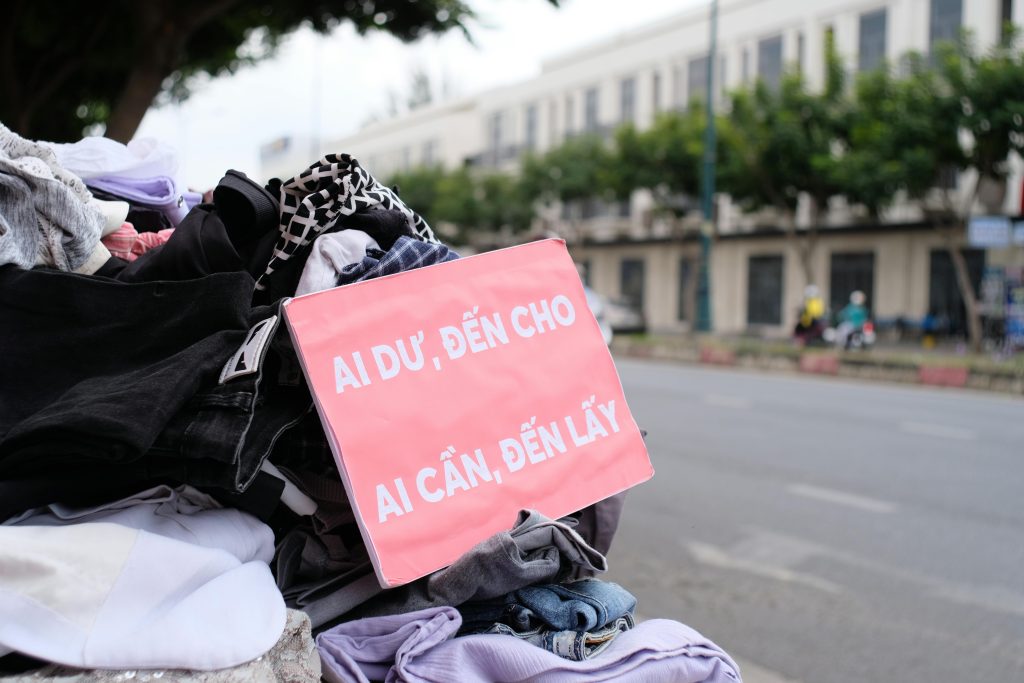
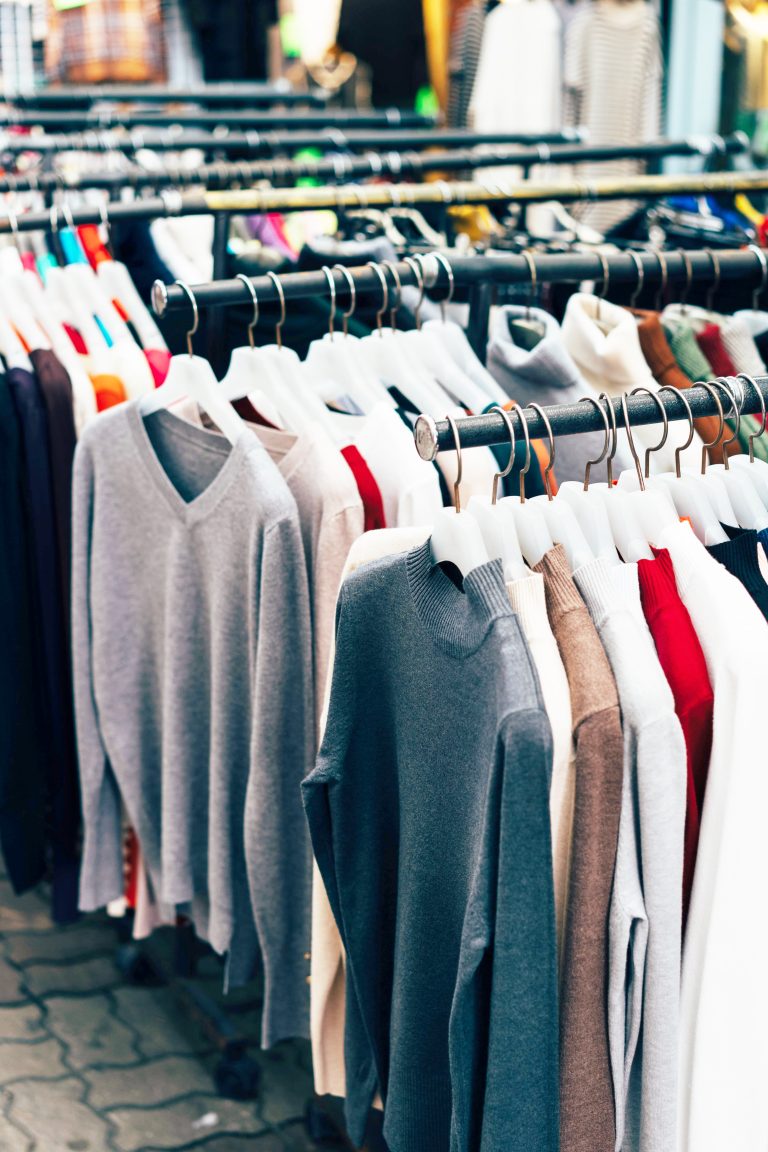
In this large scale business, there are more than 60 million workers that produce garments for fast fashion retail, and 80 percent of those workers are women. As of 2026, 36% of clothing purchases worldwide are in the fast fashion category. The total market size of fast fashion clothing sales is estimated at $178 billion in sales per year. But behind those numbers there are many negative side effects and the bad impact of fast fashion is not to be overlooked.
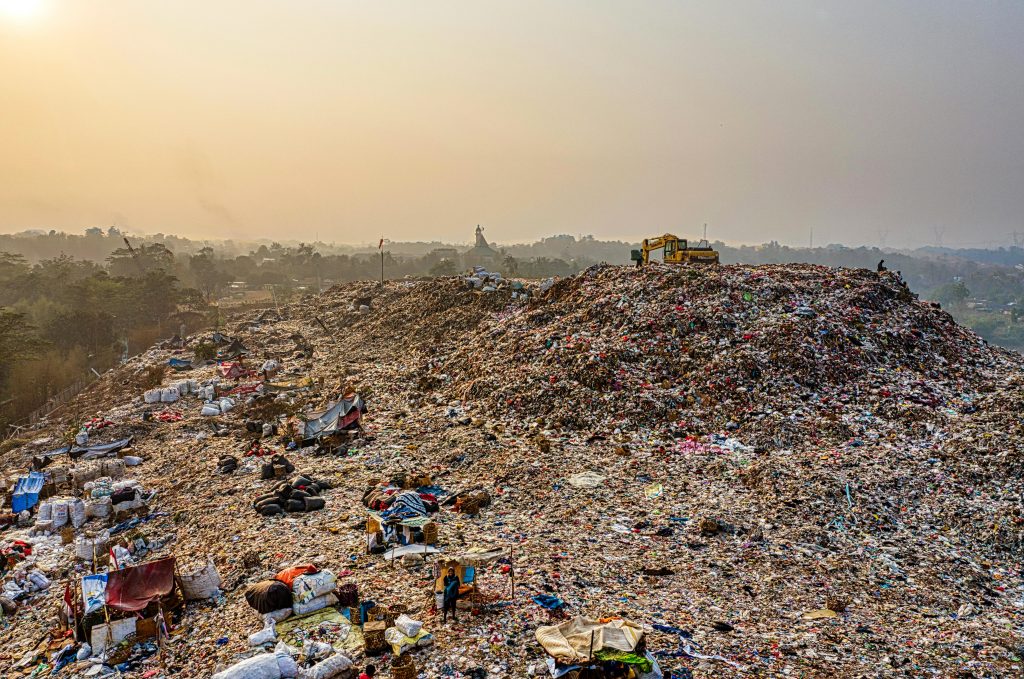
Textile waste comprises nearly 92 million tonnes of discarded clothing and fabrics annually, with a garbage truck worth of textiles landfilled or incinerated every second. It’s estimated that at the current rate this could increase to 134 million tons of textile waste being generated globally by 2030. The amount of fashion waste disposed of in landfills varies across different countries around the world. However, it’s estimated that about 57% of clothing goes to landfills globally and around 25% of fashion waste is incinerated. This means millions of tons of old textiles aren’t recycled and take up valuable landfill space. Less than 13% of textile waste is recycled in the EU and globally less than 1% of materials are recycled into new clothing.
That is reason enough we all should slow down. Decision makers, designers, consumers and all in between, we should all take a minute and think and think again before making a choice. Clothing production is the third-biggest manufacturing industry worldwide – after the automotive and technology sectors. But only 8% of old clothes are reused globally. Almost 95% of clothes thrown away are recyclable. Failure to recycle and fully use clothing means around $500 billion in value is lost globally each year. So you will admit that there are quite a few reasons for reducing fashion waste and striving for more sustainable practices.
And how is Dal Cuore changing the face of fashion for the better?
When I decided to enter the world of fashion and to create my own clothing brand, I had in mind all the negative aspects that fast fashion is leaving behind. I knew I wanted to create beautiful clothes made in my studio or in cooperation with the local tailoring studios, but I didn’t want my brand to become a part of textile waste generators.
There are many categories of recycling models that could be used in the process of fashion production like upcycling, downcycling, closed-loop, and open-loop recycling. Let me explain each one; upcycling- process of using a textile to create something higher quality than the original, downcycling is using a textile in a way that is less than the original value. Closed-loop recycling is the reuse of one textile over and over again to create the same piece, and open-loop recycling is the process of creating something new with the textile piece. So apart from creative side of business (designing beautiful and unique clothes), there are many creative ways in which we are able to base our supply and production in a more sensible and ethical way.
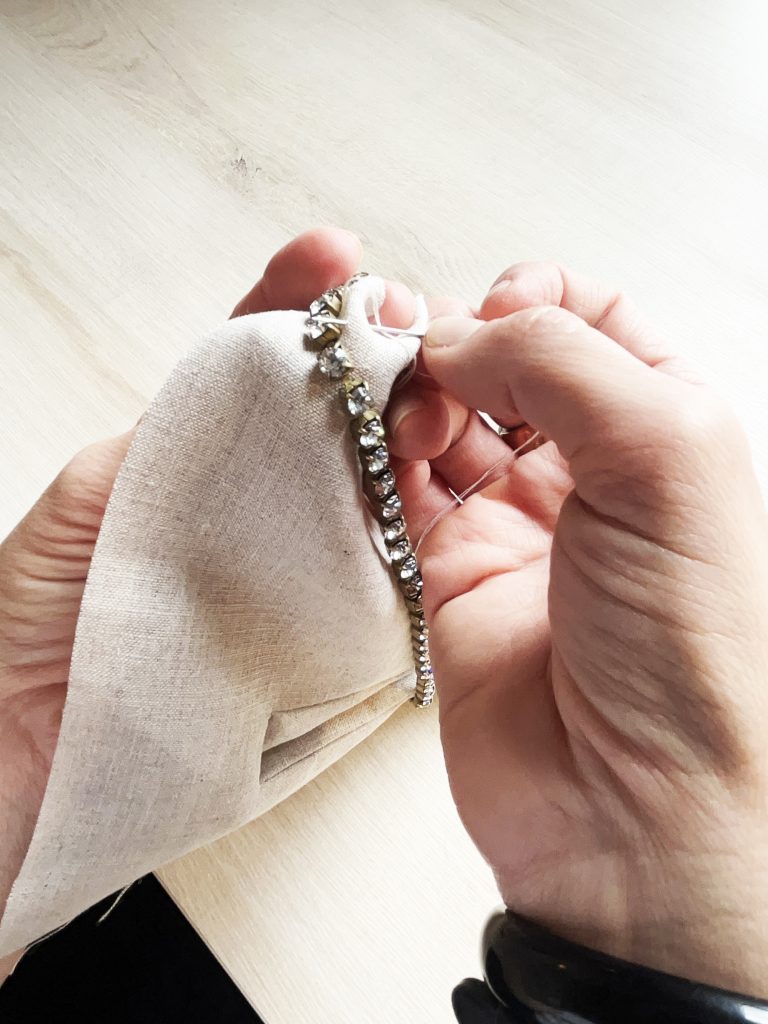
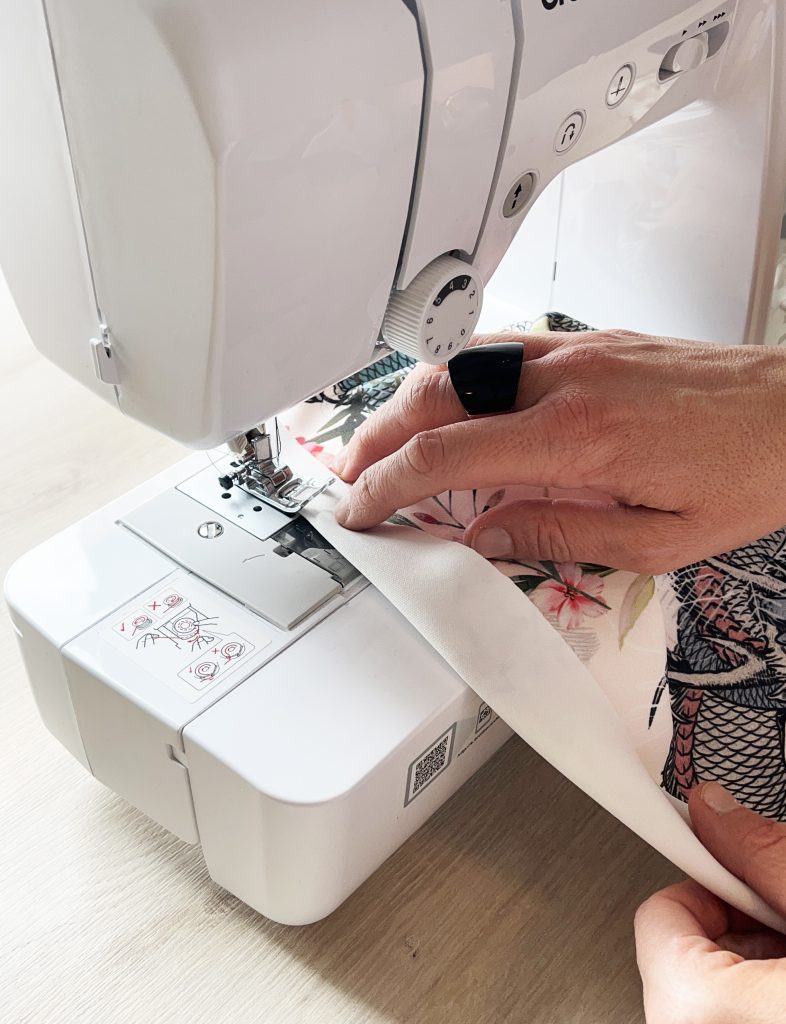
In Dal Cuore our mission is to create beautiful clothes that will make our clients happy but during the process maintain high standards for social and ethical responsibility focusing on garment quality and quality of working standards and sustainability in general. Each piece we make is being made with lots of love and only one garment at the time, so our clients get unique one-of-a-kind peace and we do not pile up textile waste in the process.
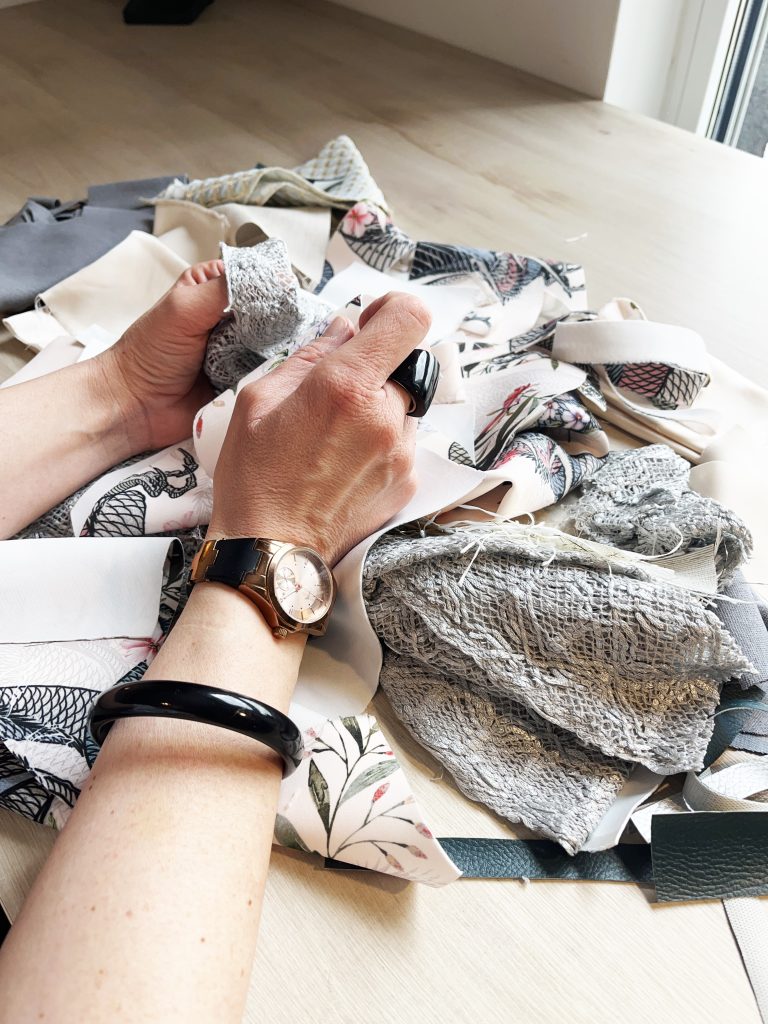
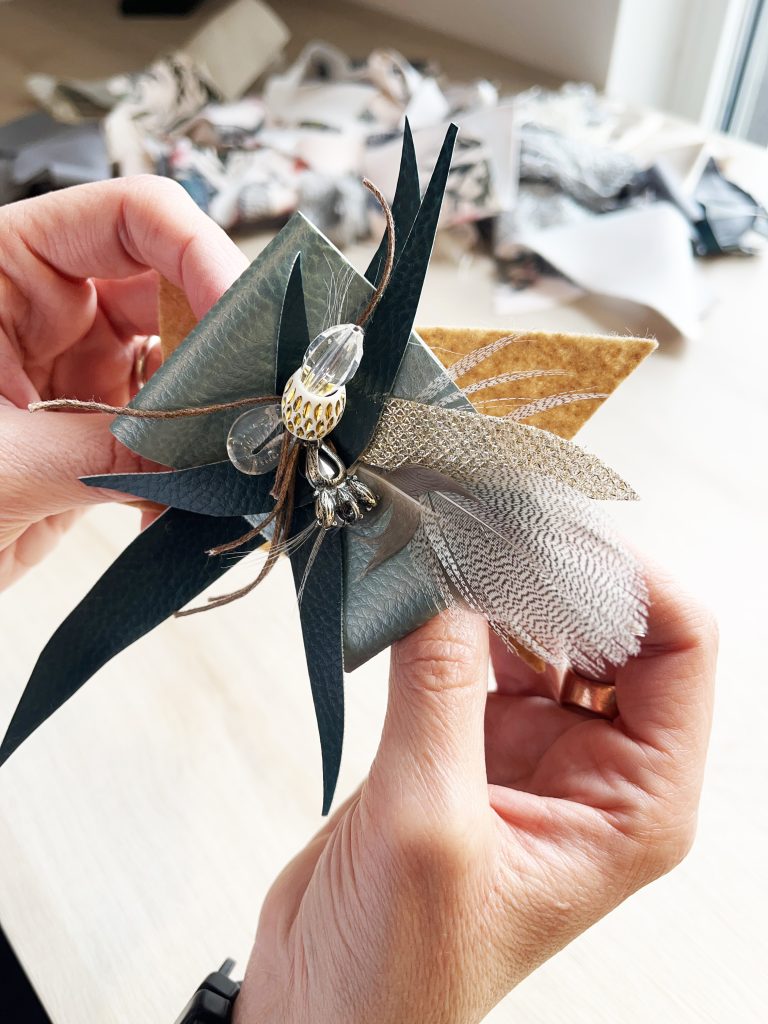
We aim to use deadstock materials as much as possible and our leftover production materials either as part of our accessory line or new clothing items. Also, by upcycling already produced garments, we are giving a second life to something that would be thrown out or end up as waste. Dal Cuore is taking fashion to the roots of traditional slow fashion production created with lots of love, detail and dedication. We are doing our best to avoid any kind of exploitation of both people and the planet.
In order to sustain our efforts for „healthier and happier fashion“, we are inviting you to support Dal Cuore clothing brand and we encourage you to choose higher-quality, longer-lasting and one-of-a-kind clothing. Choose one-of-a-kind clothing that will make you shine & feel unique